WHO Foodborne Disease Estimates 2026 edition
The World Health Assembly Resolution WHA 73.5 mandated the preparation of a new report by 2025 on the global burden of foodborne diseases with up-to-date estimates of global foodborne disease incidence, mortality and disease burden in terms of disability-adjusted life years (DALYs). To achieve this resolution, WHO released a complete set of estimates on 4 June 2026.
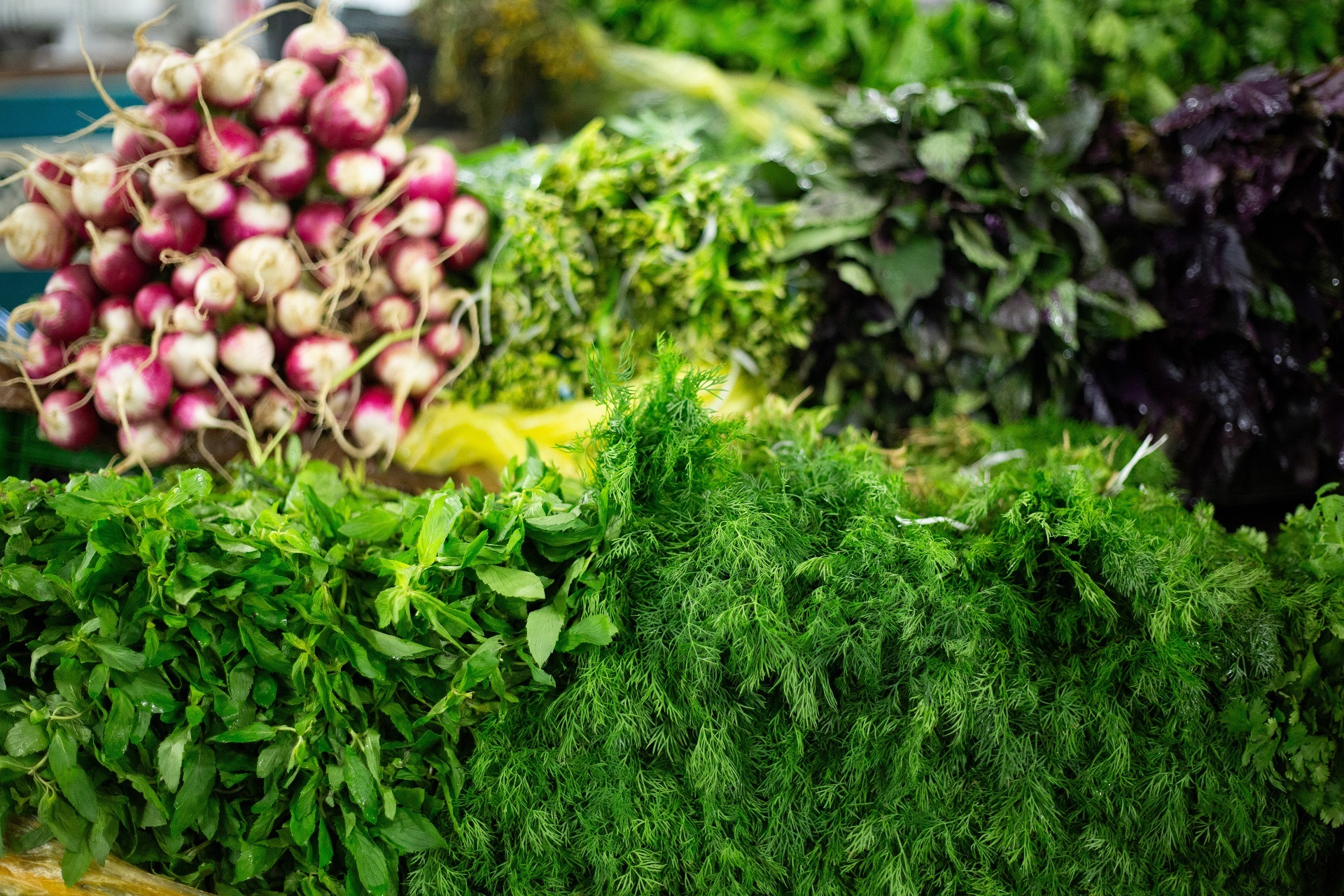
Fresh herbs on display at a stall at Yaşil Bazar in Baku, Azerbaijan.
Overview
The 2026 edition of the WHO estimates of the global burden of foodborne diseases 2000–2021 (2026 edition) were built primarily based on the advice by the WHO technical advisory group, Foodborne Disease Burden Epidemiology Reference Group (FERG) for 2021-2025. Building upon previous experiences and methods from 2015 edition that published the 2010 estimates as presented in the PLOS collection and WHO estimates of the global burden of foodborne diseases: foodborne diseases burden epidemiology reference group 2007-2015, the foodborne disease burden estimates were generated based on 42 infectious and chemical hazards including the same 31 hazards from the 2010 estimates. Some key methodological improvements were also introduced, including the addition of a time series from 2000 to 2021, and to publish, for the first time, the national level estimates for all WHO Member States.
Note the 2026 edition estimates supersede all the previously published WHO global burden of foodborne diseases estimates. In accordance with WHO’s data publication policy, a formal country consultation was conducted to allow for review and input on the preliminary national estimates before they are finalized.
Estimating the economic burden of foodborne diseases
WHO will estimate the economic impact of foodborne diseases based on the public health burden expressed in disability-adjusted life years (DALYs). The first global technical consultation was held in April 2026, and the figures are planned to be finalized in 2027.
Commissioned studies
WHO commissioned external institutions to collect required data to update the WHO foodborne disease estimates, as follows:
- the global source attribution study commissioned to the Delft University of Technology (TU Delft);
- commissioned systematic reviews of the scientific and grey literature, principally on the incidence of health states related to the hazards (see the overall method for data collection and the list of commissioned studies);
- data provision by external agencies, namely the Institute of Health Metrics and Evaluation (IHME); and
- data provision by other WHO departments and agencies.
/nutrition-and-food-safety-(nfs)/standards-scientific-advice-on-food-nutrition-(ssa)/who-foodborne-disease-estimates-2000-2021.png?sfvrsn=e5824eca_4)


